
Saving tips
A free outing still needs a budget: look beyond the admission fee
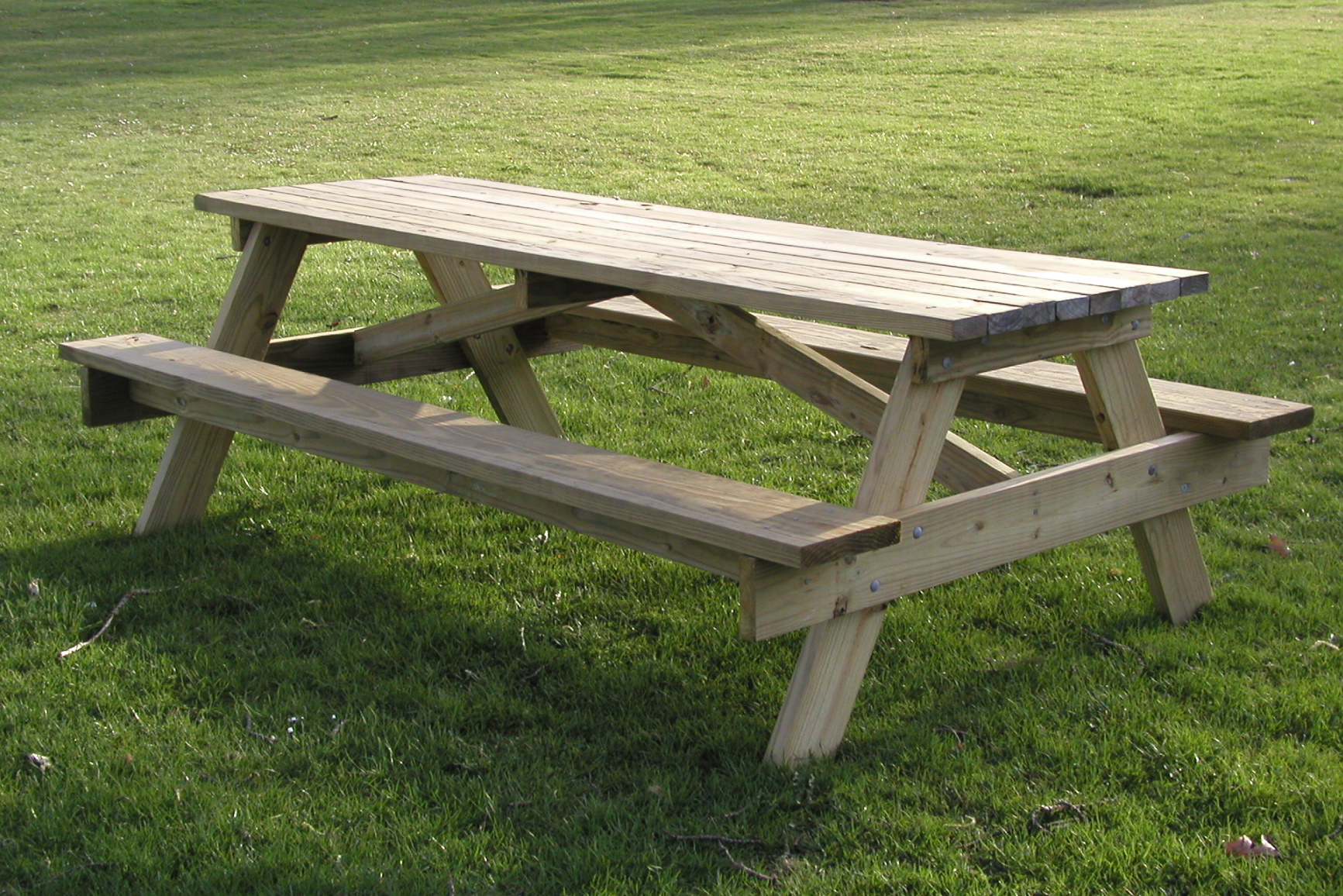
A park activity, exhibition or local event advertises free admission. That can make an outing appealing, but transport,
Indicative published prices across Japan, including tax. Survey dates and update schedules vary by item. See survey periods and sources →

Small savings today, more breathing room tomorrow.
Practical changes, without pushing yourself too hard.This site covers everyday life in Japan. Amounts are in Japanese yen (JPY); products, eligibility and public systems refer to Japan. Original article check dates are retained. This English translation is not a new verification of current terms.
A park activity, exhibition or local event advertises free admission. That can make an outing appealing, but transport,

A bag fits neatly beside the fridge and a box sits on top. Useful storage—or a space the appliance needs for heat dissip

A heel is wearing down. Before searching for a new pair, take a look around the shoes you already own. Repair might be a
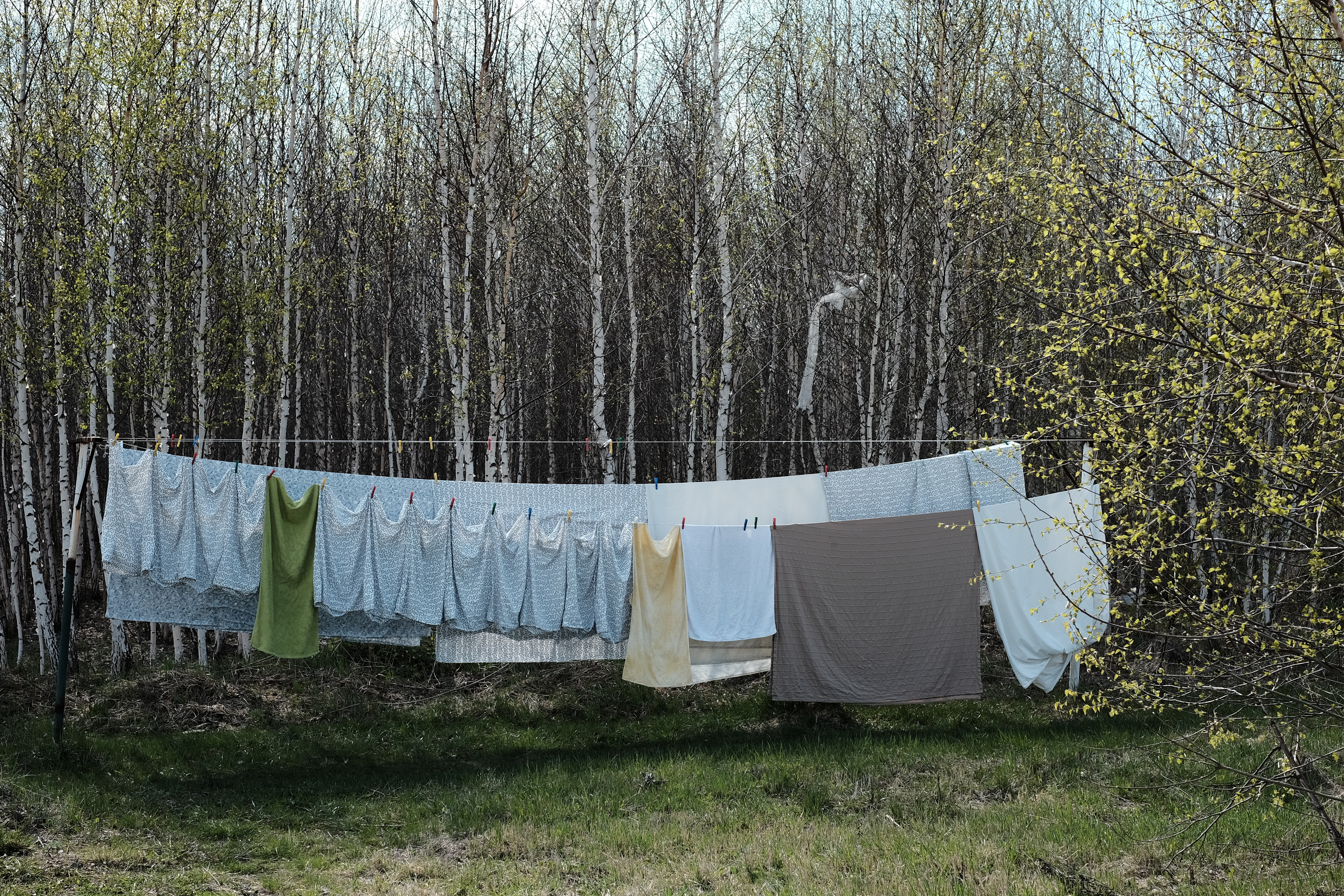
A favourite piece of clothing is something you would like to keep wearing. When it loses its shape or seems smaller afte

The heating is on, yet sitting beside the window still feels cold. Before increasing the setting, look at the curtains a
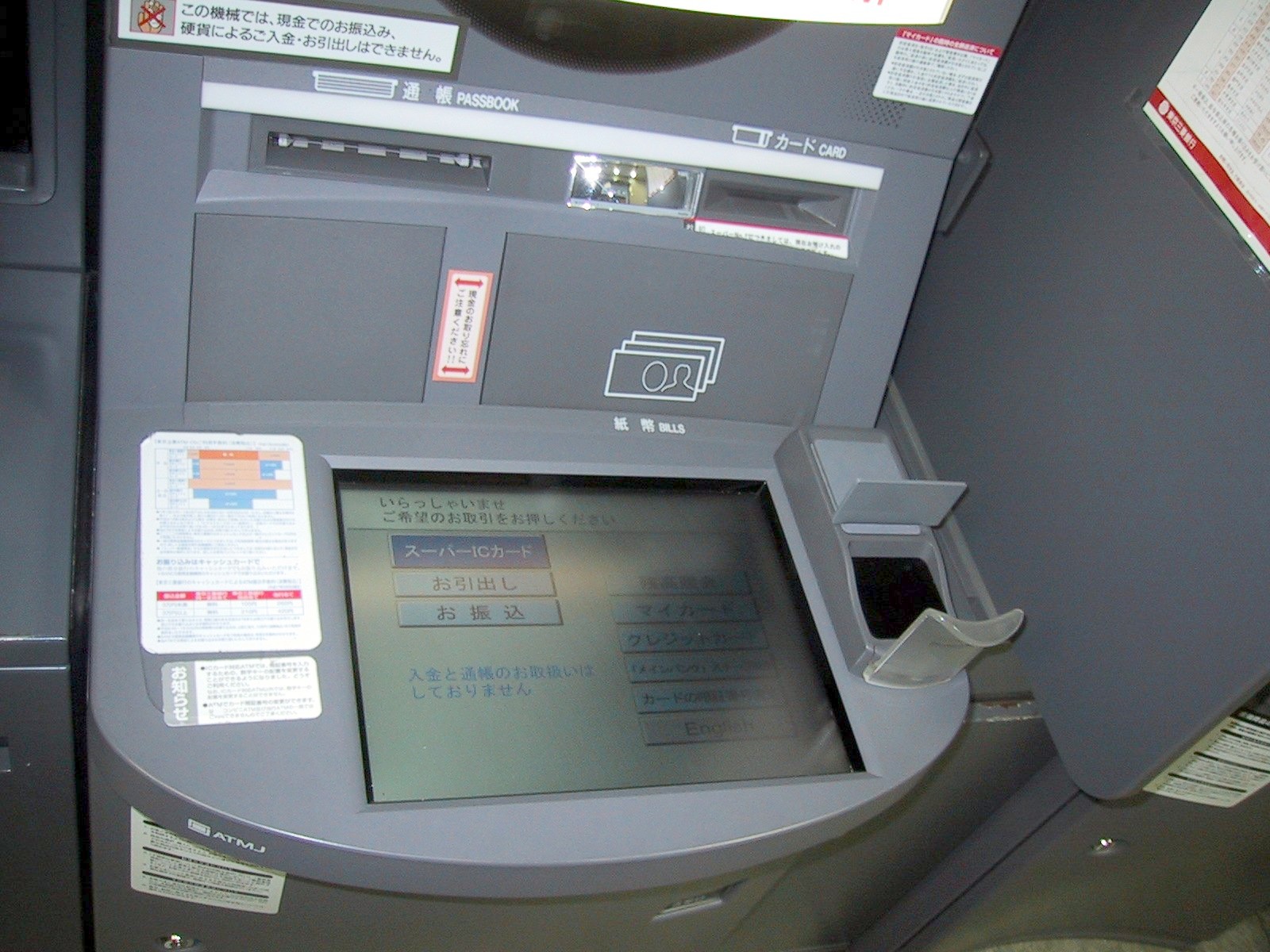
Your wallet contains less cash than you expected, so you withdraw a little on the way home. A few days later, you do it
You put one thing you need in an online basket. A message says that spending another JPY 800 will unlock free shipping. It is tempting to browse for som…

A refill pouch may look cheaper than a bottle, but does it contain the same amount? An invented price-per-100-mL comparison puts payment, storage, suitable containers and usable quantity together.

An annual plan looks cheaper—but how many months will you use it this year? Compare total payments and a documented consumer complaint to choose a billing period that leaves room for the things you enjoy.

A used phone is more than its price tag. Check required features, usable condition, battery, extra costs and warranty in order. Official guidance and an invented total-cost comparison help you consider a device that fits, whether new or pre-owned.

Price is not the only way to choose a washing machine. Consider a combined washer-dryer through the work of hanging and bringing in laundry. Check drying capacity, electricity calculations from official specifications, installation and care to find convenience that fits your home.

A car is convenient, but parking, insurance and other bills continue after purchase. I would compare using a shared car when needed before rushing to buy. Here are published rates from three major Japanese services and calculations for four, twelve or twenty-four uses a month, to help you consider what fits your life.

Do you feel a little extravagant after taking a taxi? If you live without owning a car, spending on necessary travel can be a reasonable choice. Compare car purchase and running costs with taxis over the same period, and make room for transport that does not demand constant self-denial.
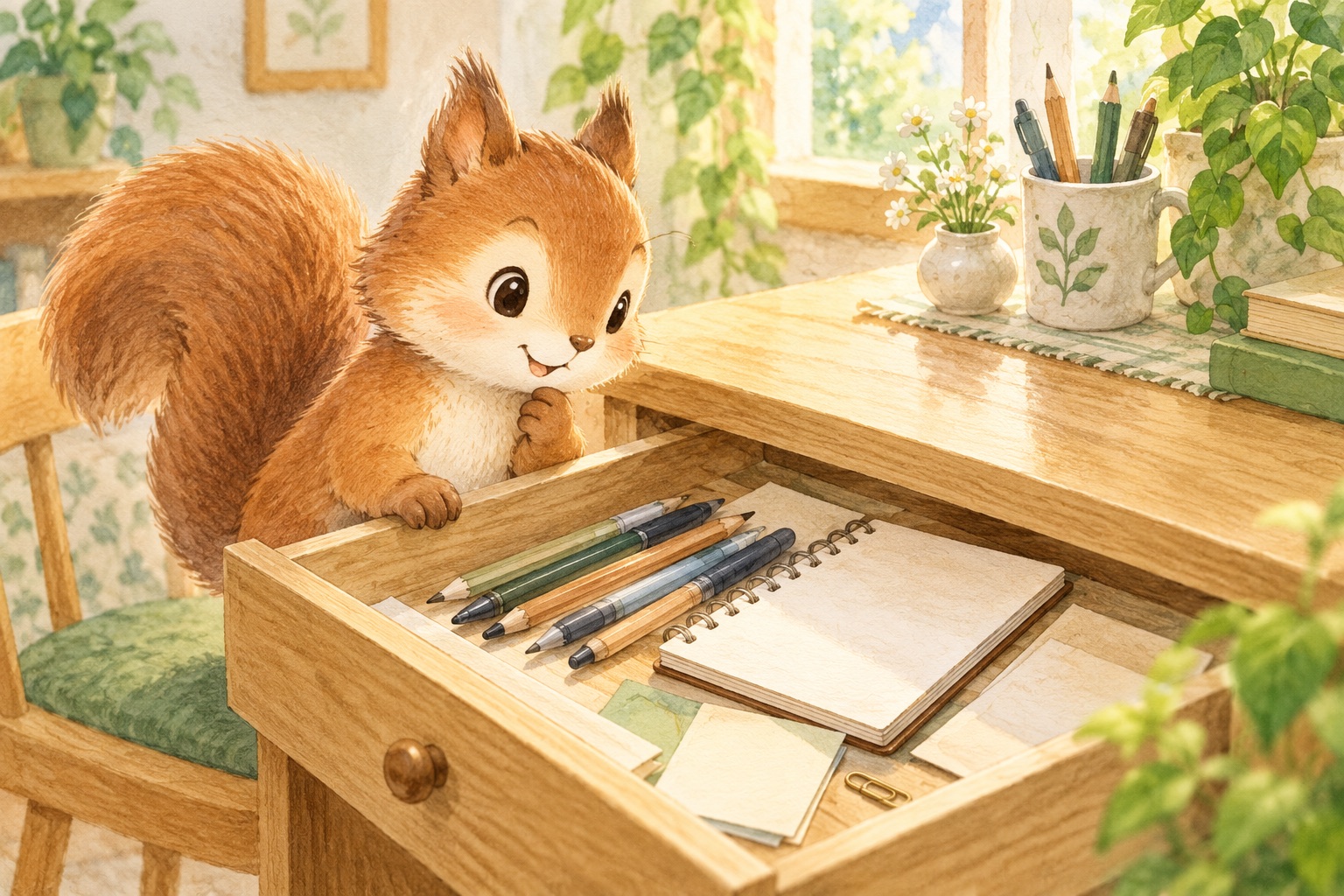
Any partly used pens or half-filled notebooks in your drawer? Before shopping for new stationery, make a little writing corner from what you have. Choose a working pen, spare pages and paper you could use today.

A birthday present or a small thank-you: does the budget slip down the list as you think about the recipient? Before browsing products, note the occasion and total amount. A little planning can help you prepare warmly without unnecessary extras.

“Plenty of clothes, but nothing to wear”? Try a week with what you own before shopping. Briefly note outfits and awkward moments to identify a genuinely useful next piece.

You do not need special equipment for a café-style break. Choose one drink and a small snack from what is at home, and make roughly 15 minutes for yourself. Let the break, rather than shopping, be the main event.
I would rather look at money going out before trying to increase points coming in. Using a hypothetical 1% reward rate and examples of unnecessary monthly spending, let’s consider a lighter approach to rewards.
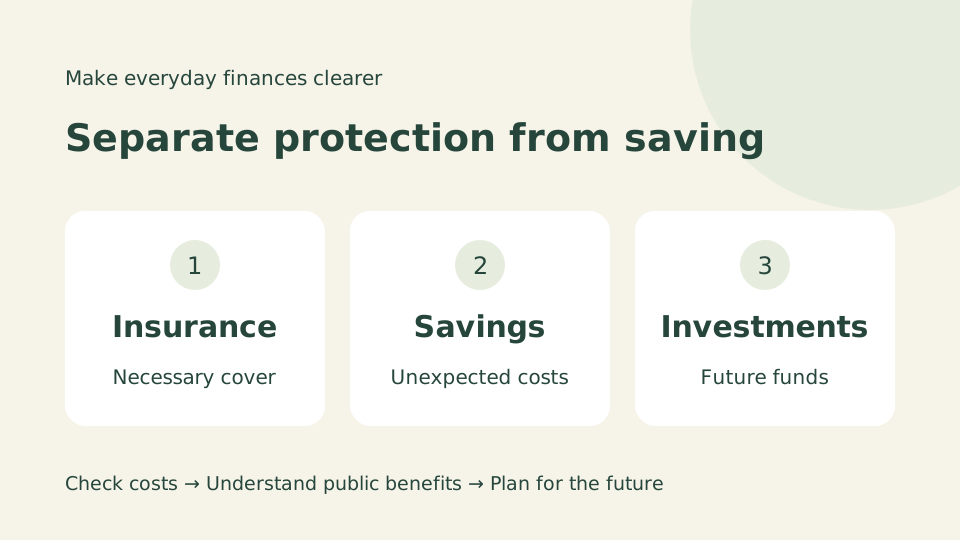
Fees in savings-type insurance, Japan’s high-cost medical expense benefit and possible uses for reduced premiums: three things to consider when reviewing insurance.
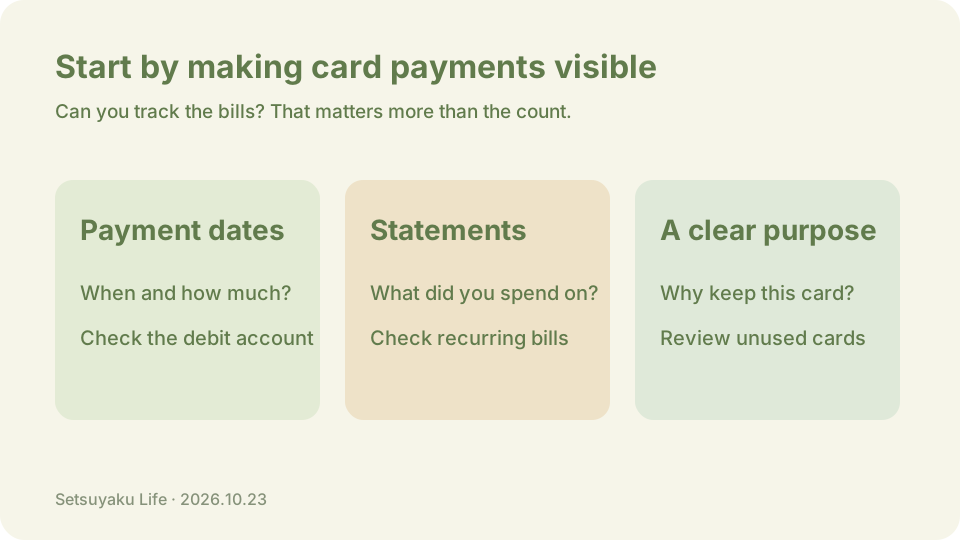
Are payment dates and statements getting harder to follow as your cards multiply? Before reducing their number, review each card’s purpose and recurring payments so you can manage the cards you keep.
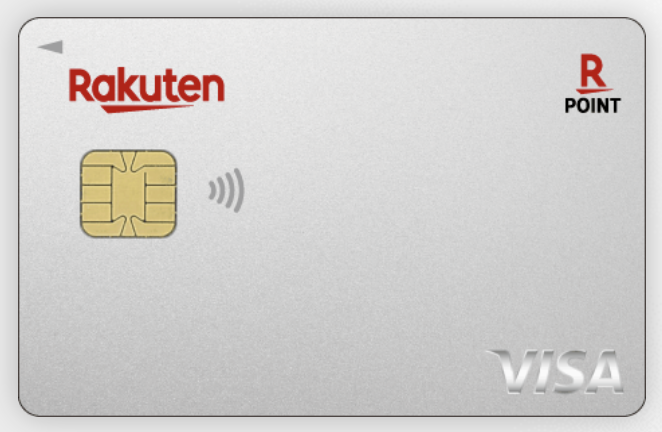
Rakuten Card has no annual fee for the standard card and connects everyday spending with Rakuten Points. We examine Rakuten Ichiba, app management and redemption, including reward exceptions and fees.
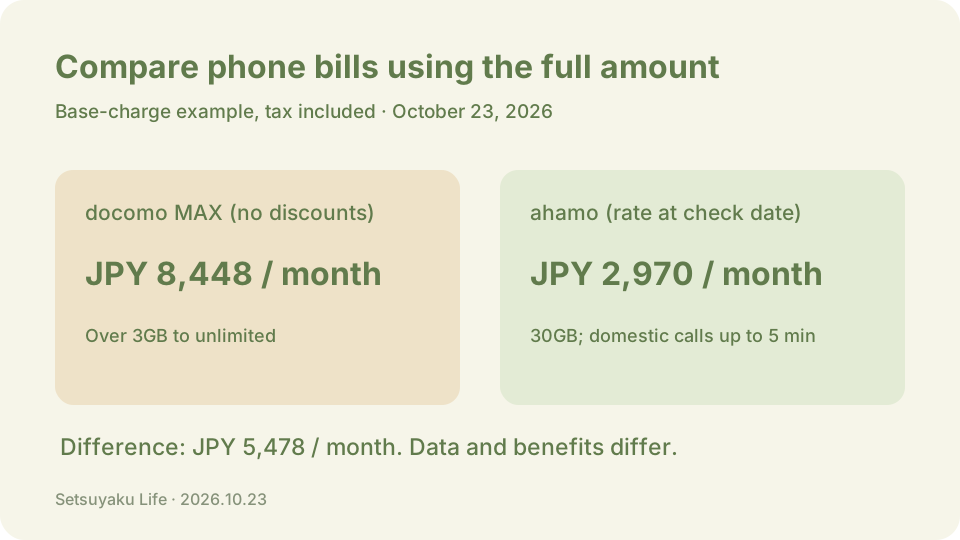
A plan matching your data use may lower your phone bill. We look at a published-rate example with a difference of around JPY 5,000 a month, then compare discounts, calls, devices and support too.

Bulk packs or small quantities—which works better? Use your stock, meal plans and realistic portions to avoid purchases that go unused.

Before buying storage products, make the ingredients you want to use first easier to see. Here are simple fridge checks, inventory-note examples and ways to keep the habit manageable.
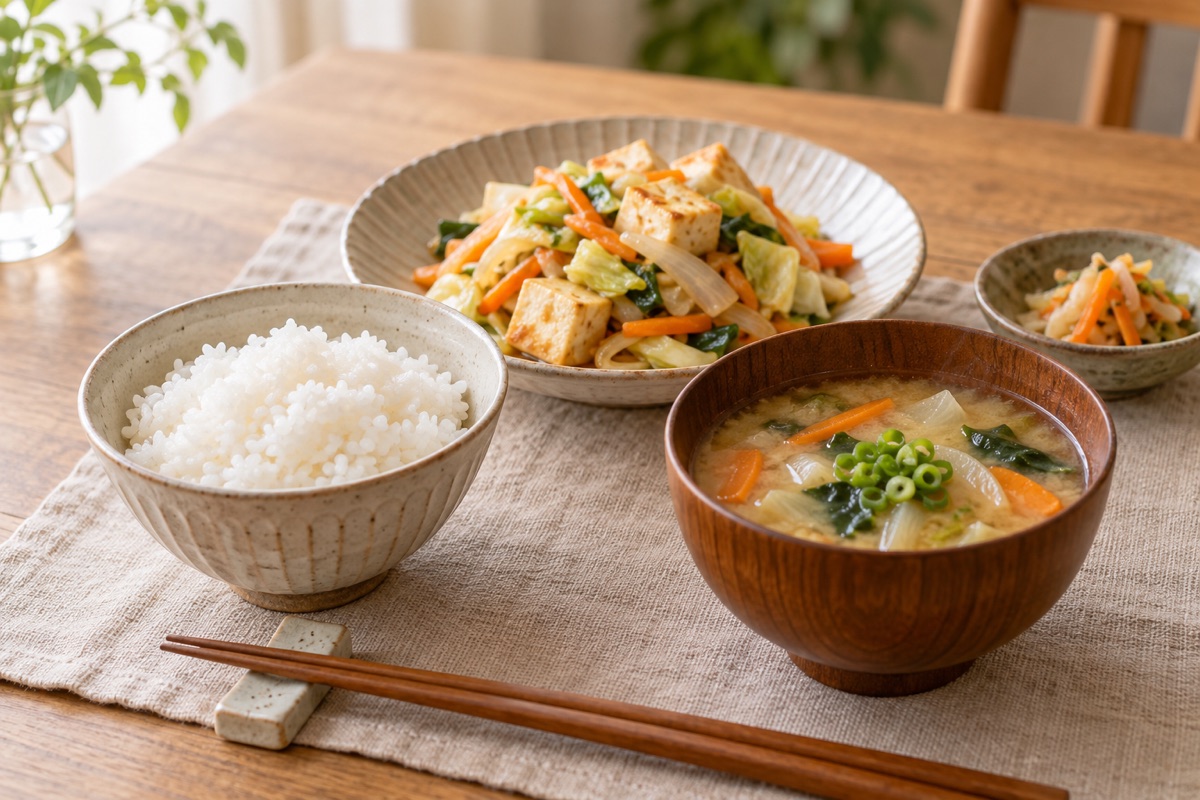
If weekly meal plans never seem to stick, try starting with your schedule and existing ingredients. Here is how to choose a few possible dishes and buy only what is missing.
FIND BY TOPIC
START HERE

ABOUT THIS BLOG
A little more breathing room, without overdoing it.
Ideas for reviewing shopping, food costs and monthly payments.
Advertising is planned; paid referral links are not currently set up. Unverified product conditions are marked, with links to official information.