
Setsuyaku Life / Guides
Food & shopping
Stock checks, meal ideas and shopping notes: manageable ways to review everyday food spending.
JPY 800 away from free shipping? Check the total before adding anything
You put one thing you need in an online basket. A message says that spending another JPY 800 will unlock free shipping. It is tempting to browse for som…
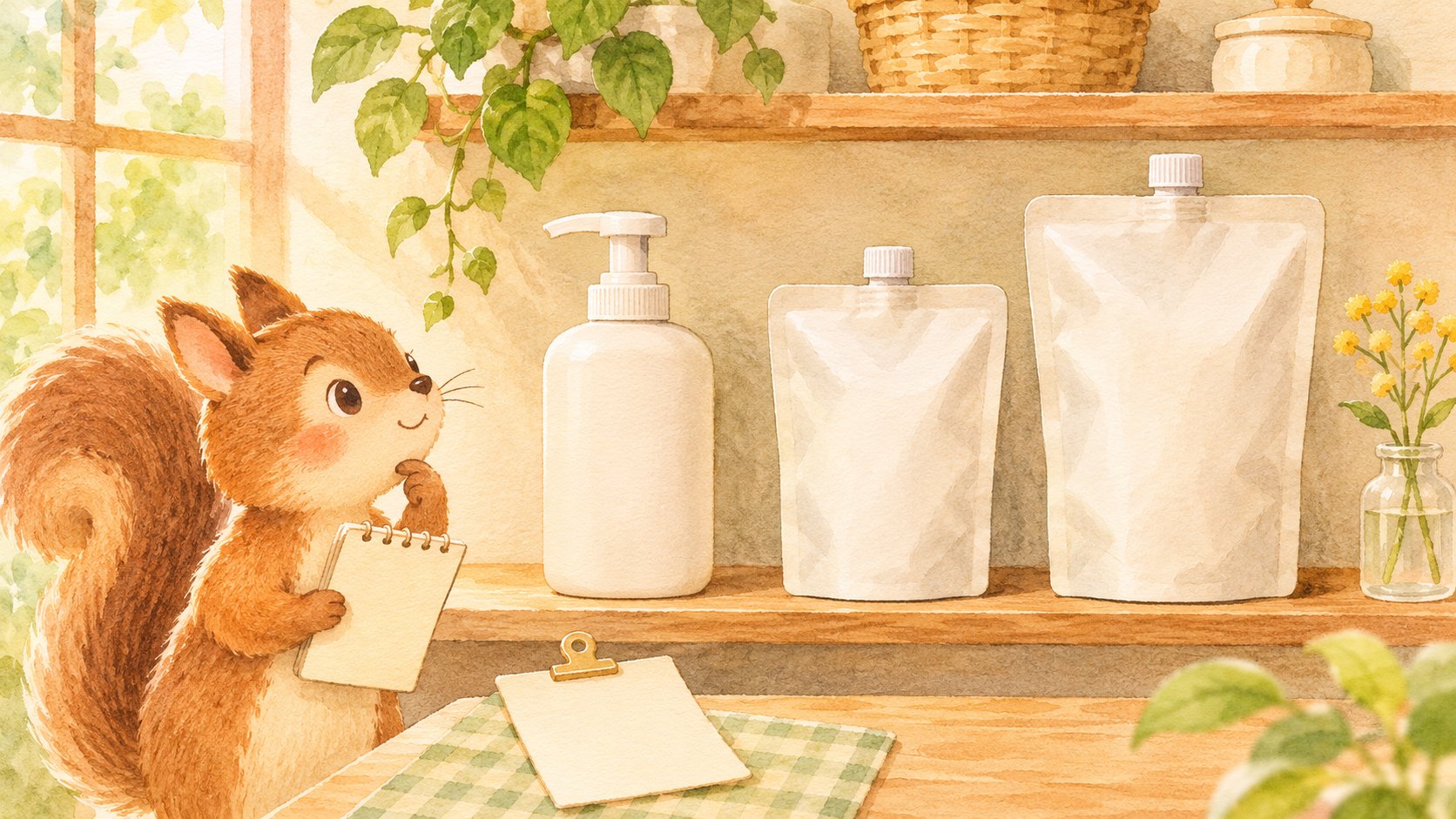
Are refills really cheaper? Compare the price per 100 mL and the amount you can use
A refill pouch may look cheaper than a bottle, but does it contain the same amount? An invented price-per-100-mL comparison puts payment, storage, suitable containers and usable quantity together.

Your next phone need not be new: how to judge a pre-owned bargain
A used phone is more than its price tag. Check required features, usable condition, battery, extra costs and warranty in order. Official guidance and an invented total-cost comparison help you consider a device that fits, whether new or pre-owned.

A washer-dryer costs more, but can washing and drying in one machine be worth it?
Price is not the only way to choose a washing machine. Consider a combined washer-dryer through the work of hanging and bringing in laundry. Check drying capacity, electricity calculations from official specifications, installation and care to find convenience that fits your home.
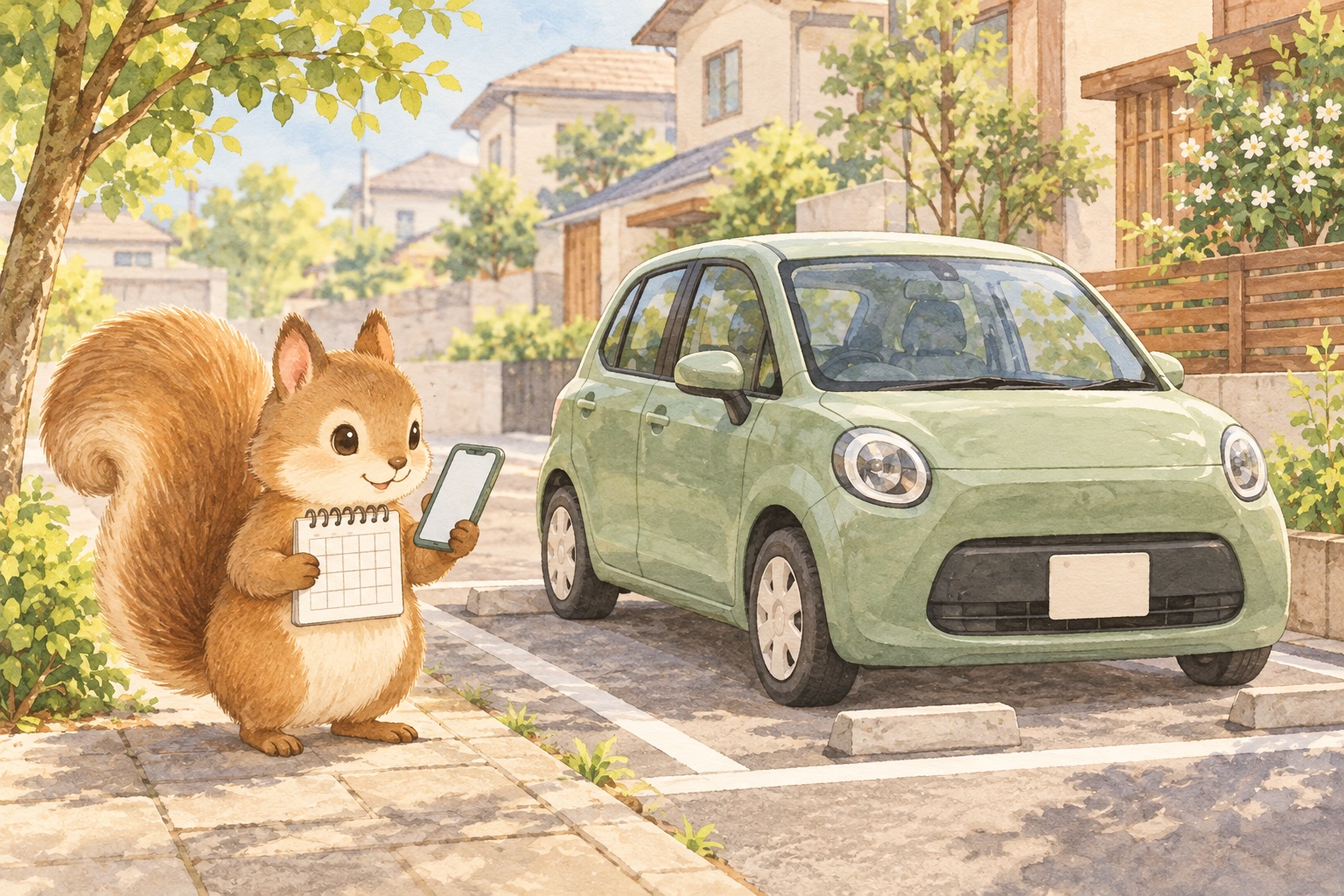
Before buying a car, could car sharing save you money? Official rates and a use-count comparison
A car is convenient, but parking, insurance and other bills continue after purchase. I would compare using a shared car when needed before rushing to buy. Here are published rates from three major Japanese services and calculations for four, twelve or twenty-four uses a month, to help you consider what fits your life.

Are taxis a luxury? If you do not own a car, it is okay to take one
Do you feel a little extravagant after taking a taxi? If you live without owning a car, spending on necessary travel can be a reasonable choice. Compare car purchase and running costs with taxis over the same period, and make room for transport that does not demand constant self-denial.
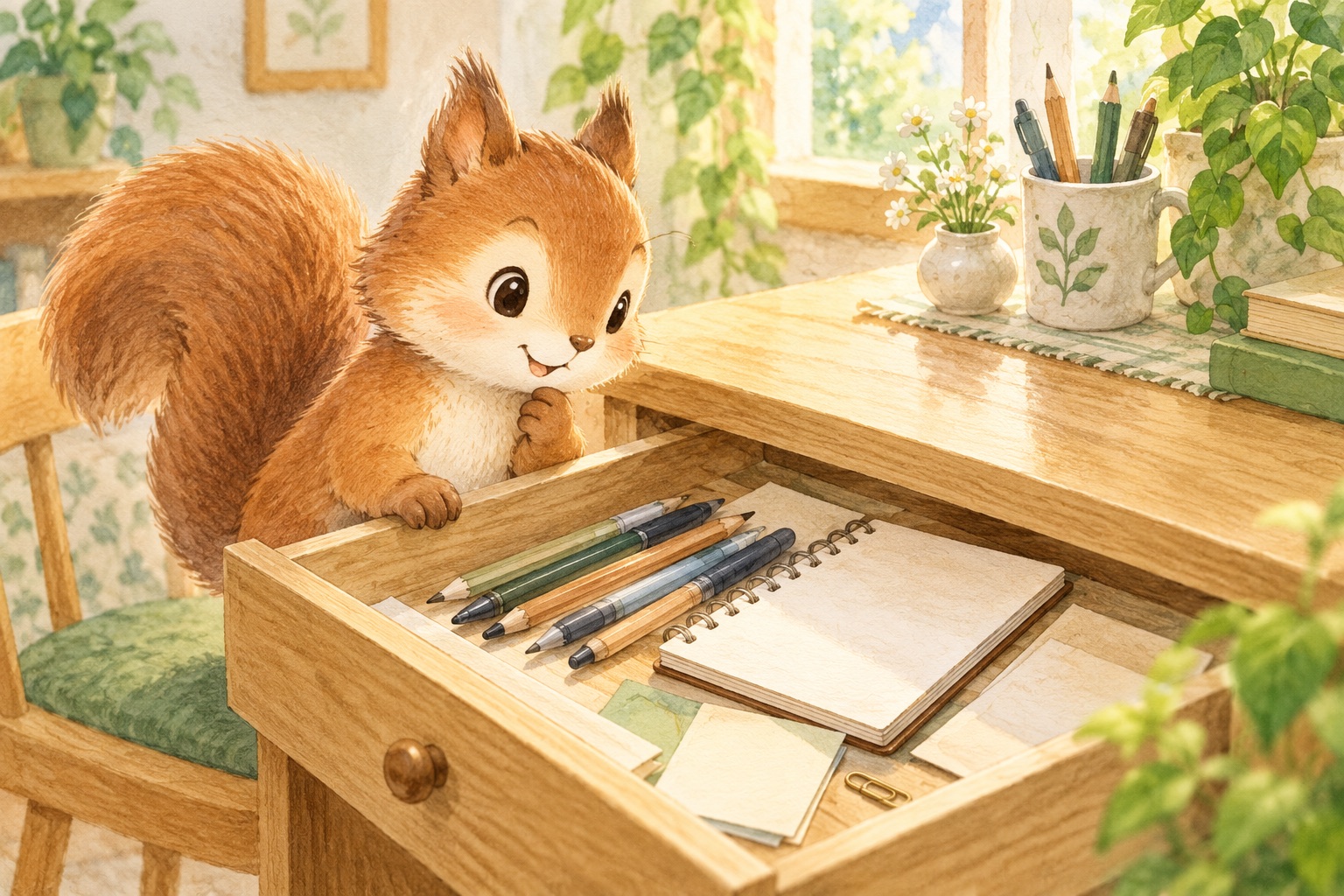
Enjoy the stationery you already have: small savings from a desk drawer
Any partly used pens or half-filled notebooks in your drawer? Before shopping for new stationery, make a little writing corner from what you have. Choose a working pen, spare pages and paper you could use today.

Thoughtful gifts start with a budget: celebrate without straining your finances
A birthday present or a small thank-you: does the budget slip down the list as you think about the recipient? Before browsing products, note the occasion and total amount. A little planning can help you prepare warmly without unnecessary extras.

Seven days with the clothes you own: find what your wardrobe really needs
“Plenty of clothes, but nothing to wear”? Try a week with what you own before shopping. Briefly note outfits and awkward moments to identify a genuinely useful next piece.

A weekend home café without extra shopping: a 15-minute break with what you have
You do not need special equipment for a café-style break. Choose one drink and a small snack from what is at home, and make roughly 15 minutes for yourself. Let the break, rather than shopping, be the main event.
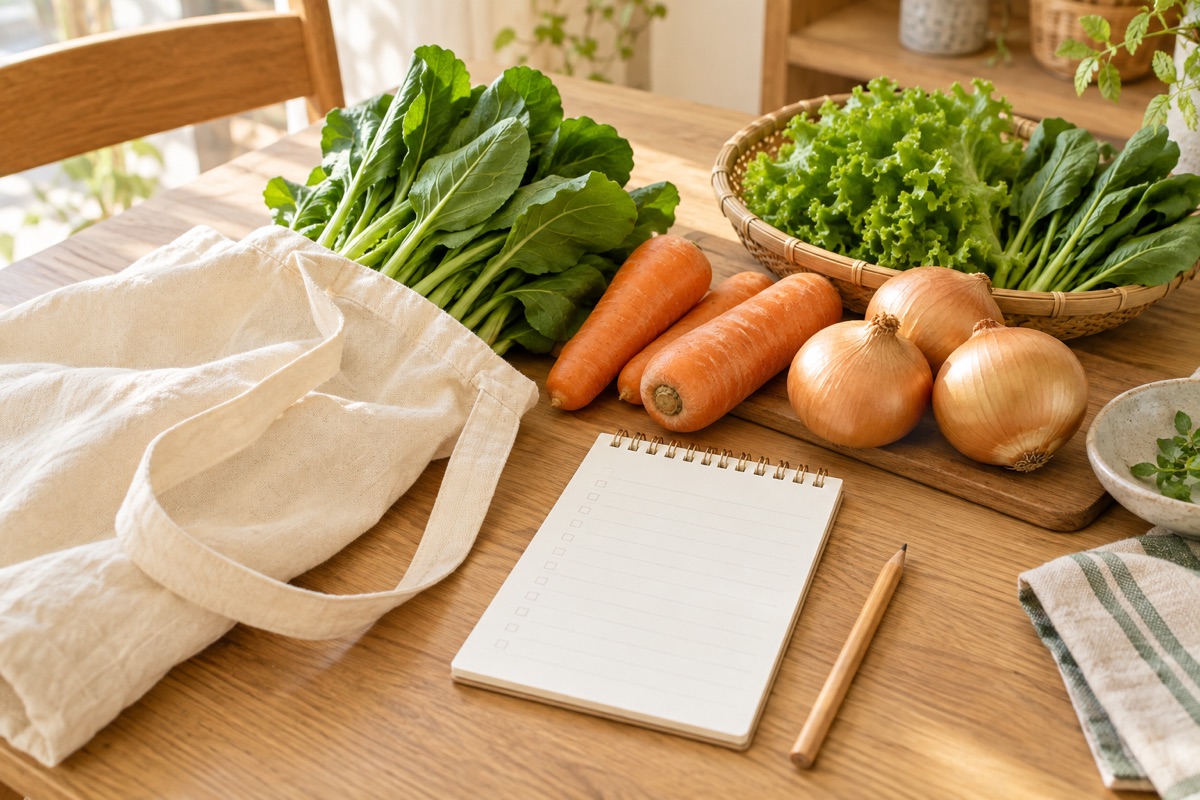
Before shopping less often: plan purchases you will actually use
Bulk packs or small quantities—which works better? Use your stock, meal plans and realistic portions to avoid purchases that go unused.

Use what is in your fridge: simple storage and inventory notes
Before buying storage products, make the ingredients you want to use first easier to see. Here are simple fridge checks, inventory-note examples and ways to keep the habit manageable.

Meal planning without a rigid menu: put the ingredients you have to work
If weekly meal plans never seem to stick, try starting with your schedule and existing ingredients. Here is how to choose a few possible dishes and buy only what is missing.
Shopping and inventory basics
Five minutes before shopping: a list to reduce unnecessary purchases →