
Fewer unplanned ATM stops: decide what the cash is for first
Your wallet contains less cash than you expected, so you withdraw a little on the way home. A few days later, you do it again. If the charges are bothering you, try listing the next payment that genuinely needs cash.
This is not an invitation to carry a large amount. Knowing what the next withdrawal is for may simply reduce the number of times you need to find an ATM in a hurry.
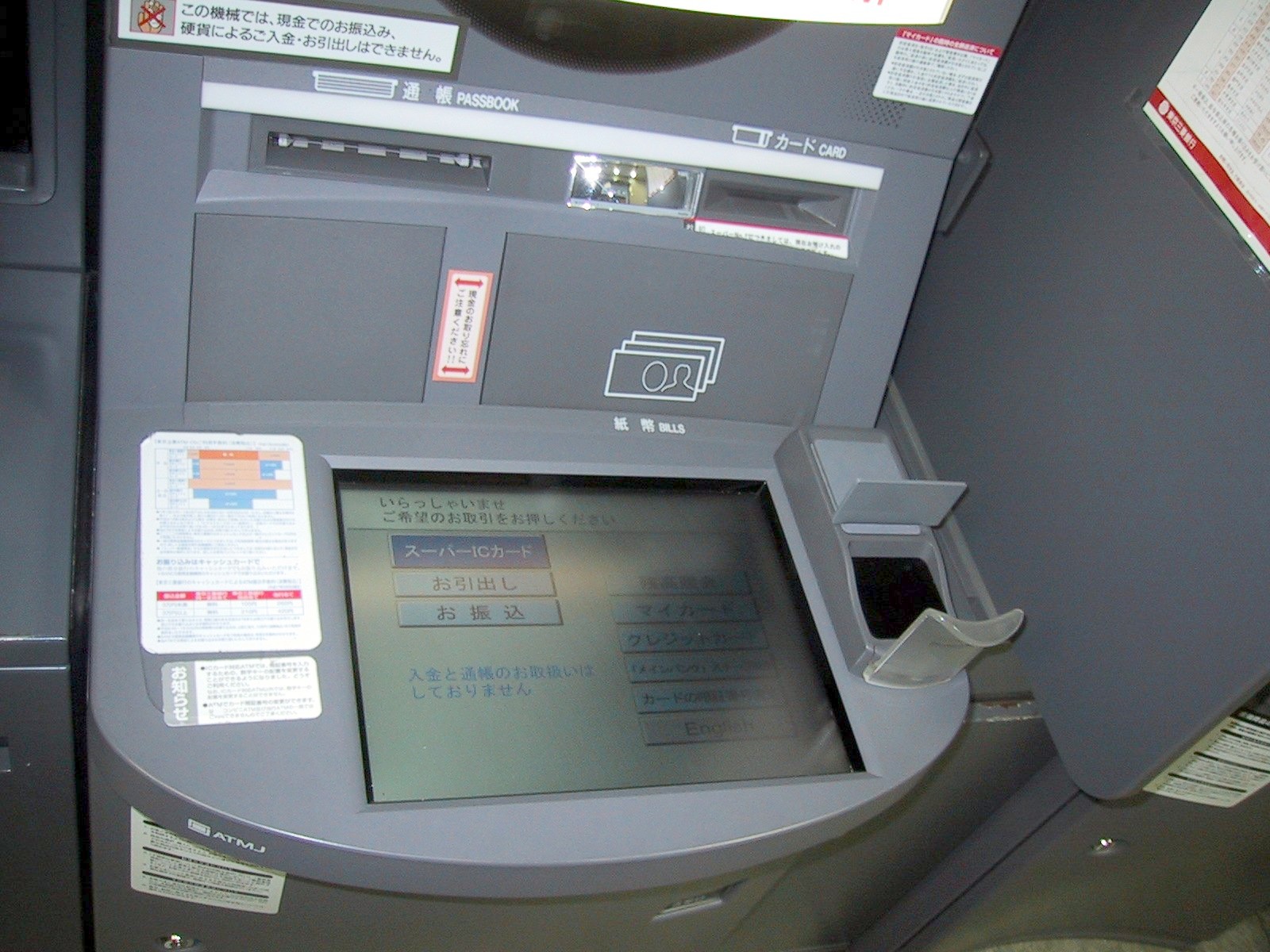
Chris 73 / Wikipedia / Wikimedia Commons · Wikimedia Commons · CC BY-SA 3.0 · Unmodified · Wikipedia

Look for cash payments in the coming week
A small local shop, a neighbourhood collection or a school activity may require cash. The situations vary by household. Look at your calendar and note only the payments you expect. Attach a purpose to the amount, instead of withdrawing a habitual sum without a plan.
You do not have to predict an uncertain payment exactly. Allow a sensible range and account for the cash already in your wallet. If that covers the expected payment, you may not need another withdrawal this week.
Adjust when plans change. A week is only an example; choose a period that suits your routine. Being able to pay without difficulty matters more than achieving zero charges.
What would JPY 110 per withdrawal add up to?
Suppose each charged withdrawal costs JPY 110 and you make four in a month. If two can be moved to a free time or method available under your existing account’s terms, monthly charges fall from JPY 440 to JPY 220. The difference is JPY 220, or JPY 2,640 if the same pattern lasts twelve months.
| Hypothetical use | Monthly charges |
|---|---|
| Four charged withdrawals at JPY 110 | JPY 440 |
| Two charged and two free withdrawals | JPY 220 |
| Difference | JPY 220 a month; JPY 2,640 over twelve months |
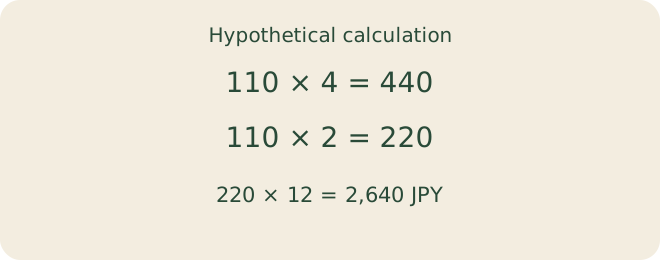
These are calculation assumptions, not a claim that every Japanese bank charges JPY 110 or provides free withdrawals. Charges vary with the account, ATM, time, transaction and eligibility conditions. Check your financial institution’s official information and the display before making the transaction.
The Financial Services Agency’s educational material also explains that repeated ATM charges add to the burden. Looking at frequency alongside the individual fee makes that cost easier to assess. See its financial education guide.
Is a detour to a free ATM worthwhile?
A free withdrawal can still involve travel costs and time. First ask whether you can use the ATM while doing something else, during hours that fit your day.
For example, spending an additional JPY 300 on travel to avoid a JPY 110 charge increases that trip’s outlay by JPY 190. Those amounts are hypothetical too. Combining the withdrawal with an existing trip is a different comparison.
If free use requires a certain balance or another service, consider whether those conditions suit you. Avoid unnecessary contracts or spending merely to qualify. Reading the terms of an account you already use is a reasonable first step before opening more accounts.
Cash in the wallet is not the spending budget
A fuller wallet may feel like permission to spend more. The amount withdrawn and the amount allocated for the week are different things. A note separating groceries from an activity payment can help keep the purposes visible.
You do not need to buy a special wallet or organiser. Use a method you can manage, whether a simple phone note or an envelope already at home. Do not write your PIN in that note. Do not record where you keep cash in a note that someone else could see.
Check balances through the institution’s official, secure methods. Reducing ATM visits does not require carrying excessive cash or accumulating it at home. Other payment methods should also fit your ability to track spending.
Check one part of the next statement
Start by counting ATM charges and their total on a recent statement. Then note one expected cash payment for the coming week. That is enough for a first attempt.
If you were not paying charges at all, there may be no reason to change the arrangement. If unexpected payments are common, the way you allocate the budget may matter more than reducing withdrawals.
A plan will not work perfectly every time. Still, understanding why you repeatedly withdraw small amounts gives you something concrete to adjust. Aim for one less rushed withdrawal, rather than a demanding new system.
Sources and assumptions
Official information checked November 5, 2026, Japan time. The context is household money management in Japan; amounts are Japanese yen. Fees, withdrawal counts and travel costs are hypothetical, not a named bank’s current tariff. This article does not recommend opening an account or purchasing a financial product.