
Before turning up the heating, look at the window and your usual seat
The heating is on, yet sitting beside the window still feels cold. Before increasing the setting, look at the curtains and the place where you spend most of the evening. This is about making that spot more comfortable, rather than enduring a cold home.
Some adjustments need no purchase: close the curtains after sunset, move a chair away from the window, or put a lap blanket you already own within reach. Find the uncomfortable spot before searching for another energy-saving product.
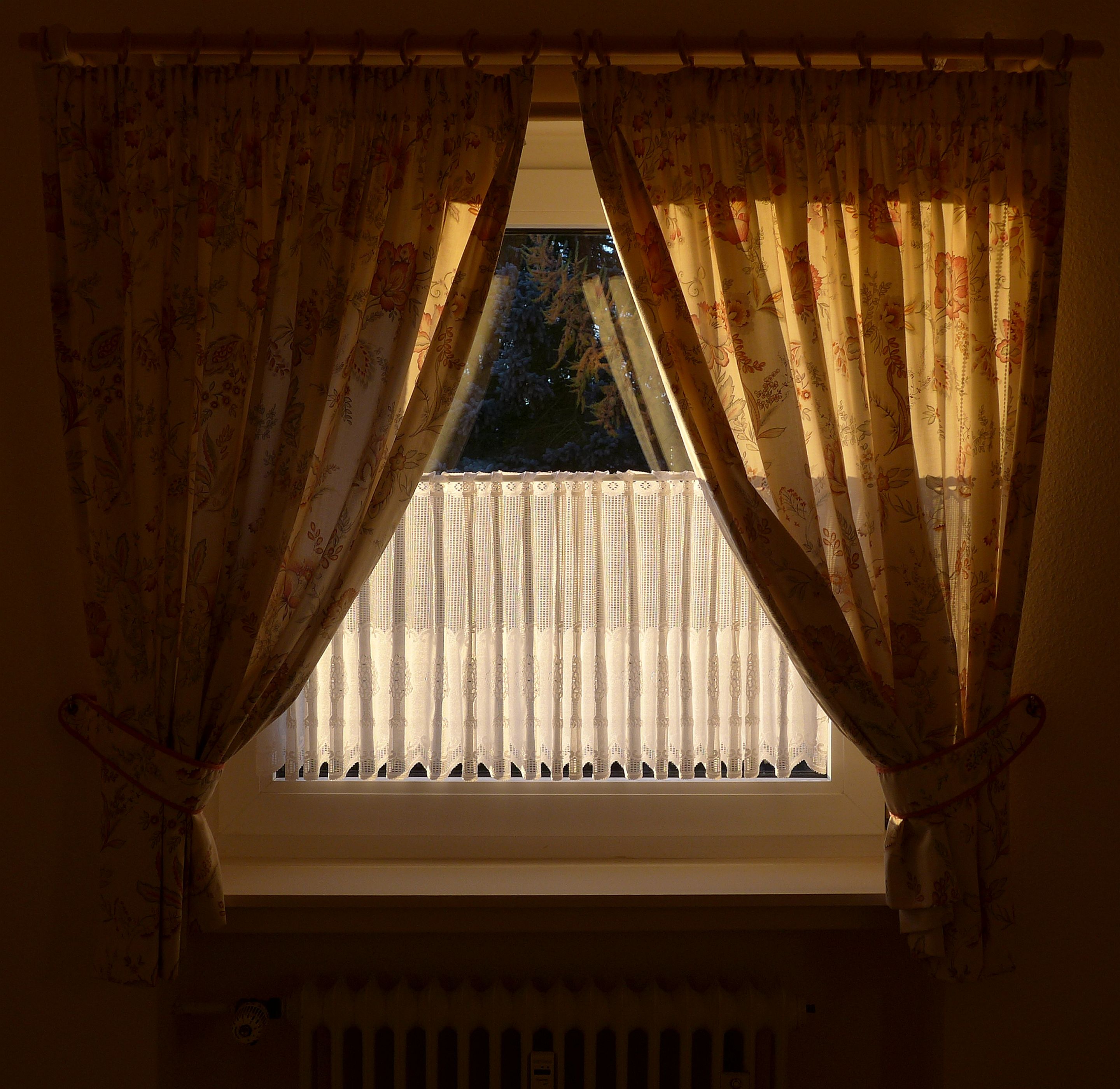
Oxfordian Kissuth · Wikimedia Commons · CC BY-SA 3.0 · Unmodified

Turn “the room is cold” into a place and a time
Getting dressed in the morning, sitting after dinner and working at a desk may reveal different problems in the same room. Note one time and place. Cold near a window and cold around your feet suggest different things to try.
An existing thermometer can help you check the temperature there. You need not buy one solely for this exercise; moving a chair may help you judge comfort. Keep that observation separate from any claim about electricity savings.
Do not make tolerating cold the goal. Use the heating needed for your health, age and home conditions. The point is to reconsider the arrangement, not compete over the lowest setting.
Check the curtains after closing them
Close the curtains you already have in the usual way, then look at the gaps at the sides and bottom and where your chair sits in relation to them. Try a different arrangement and judge comfort in your own room. Closing the curtains alone does not establish a reduction in electricity spending.
Longer fabric is not automatically suitable. Keep curtains and other textiles away from heating equipment and never block its air inlet or outlet. Follow the clearances in the appliance manual. Where a combustion heater requires ventilation, closing curtains must not mean stopping that ventilation.
Whether to admit daytime sunshine or close curtains in the evening depends on the window and your routine. Try timing that suits the hours when you use the room, rather than assuming the curtains should always stay closed.
Move what you have before buying another item
Moving a chair slightly away from a window changes the conditions where you sit. Try this only if the furniture can be moved safely without narrowing a passage or pulling electrical cords. There is no need to shift heavy furniture.
If you already own a lap blanket or indoor footwear, place it where you use it. That may avoid buying a duplicate simply because the first one is hard to find. Electrical blankets and other powered products have their own instructions; do not fold or layer them as if they were ordinary fabric.
Avoid creating trip hazards on the floor, especially near steps and exits. Start with the usual seating area. In a rented home, check whether a window attachment or adhesive product is permitted before applying it.
A product’s payback depends on the home
Before considering a curtain or window product, identify the window, whether installation is suitable, and how many months you use heating. Without an established electricity-cost difference, you cannot determine how long it would take to recover the purchase cost.
Suppose a product costs JPY 1,200 and, under otherwise equal conditions, reduces electricity spending by JPY 100 for each month of use. Simple division gives twelve months. If heating is used for four months a year, that would mean three seasons, assuming the same effect each year. The JPY 100 is an assumption, not a measurement or a manufacturer’s claimed saving.
| Hypothetical condition | Simple result |
|---|---|
| JPY 1,200 cost; JPY 100 difference per month used | Twelve months of use |
| Four heating months per year | Three seasons with the same difference |
| No established monthly difference | Payback cannot be determined |
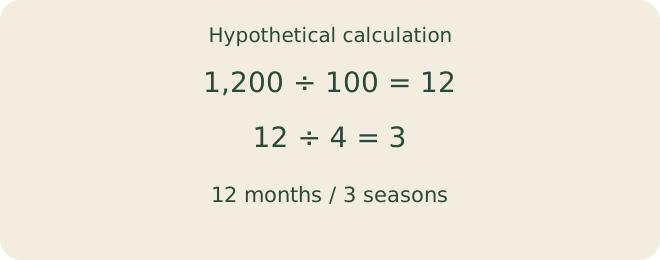
Also check dimensions, condensation considerations, cleaning, removal and tenancy conditions. You can choose an item for comfort even when its electricity saving is unknown. In that case, set a comfort budget rather than assuming energy savings will certainly pay for it.
Try one adjustment tonight
Change either the curtain arrangement or the position of the usual chair. Keep the change if it helps; use the heating you need if it does not. A small experiment is enough.
When comparing electricity bills, also consider consumption, billing periods, tariffs, weather and time spent at home. A lower bill than last month does not establish the effect of one curtain.
If the room remains uncomfortable, reconsider the heating or the home’s insulation arrangements. Leave room for both no-cost adjustments and spending that supports everyday comfort.
Sources and assumptions
Household-budget reference checked November 5, 2026, Japan time. This article concerns reviewing a usual seating spot and considering costs before buying anything for a home in Japan. Costs are Japanese yen. The table’s cost, monthly difference and usage period are hypothetical. Follow equipment and housing instructions for safe clearances, ventilation and installation.
Financial Services Agency: Financial Guide, household budgeting, pages 3–4